
Salford Cathedral
Project Overview
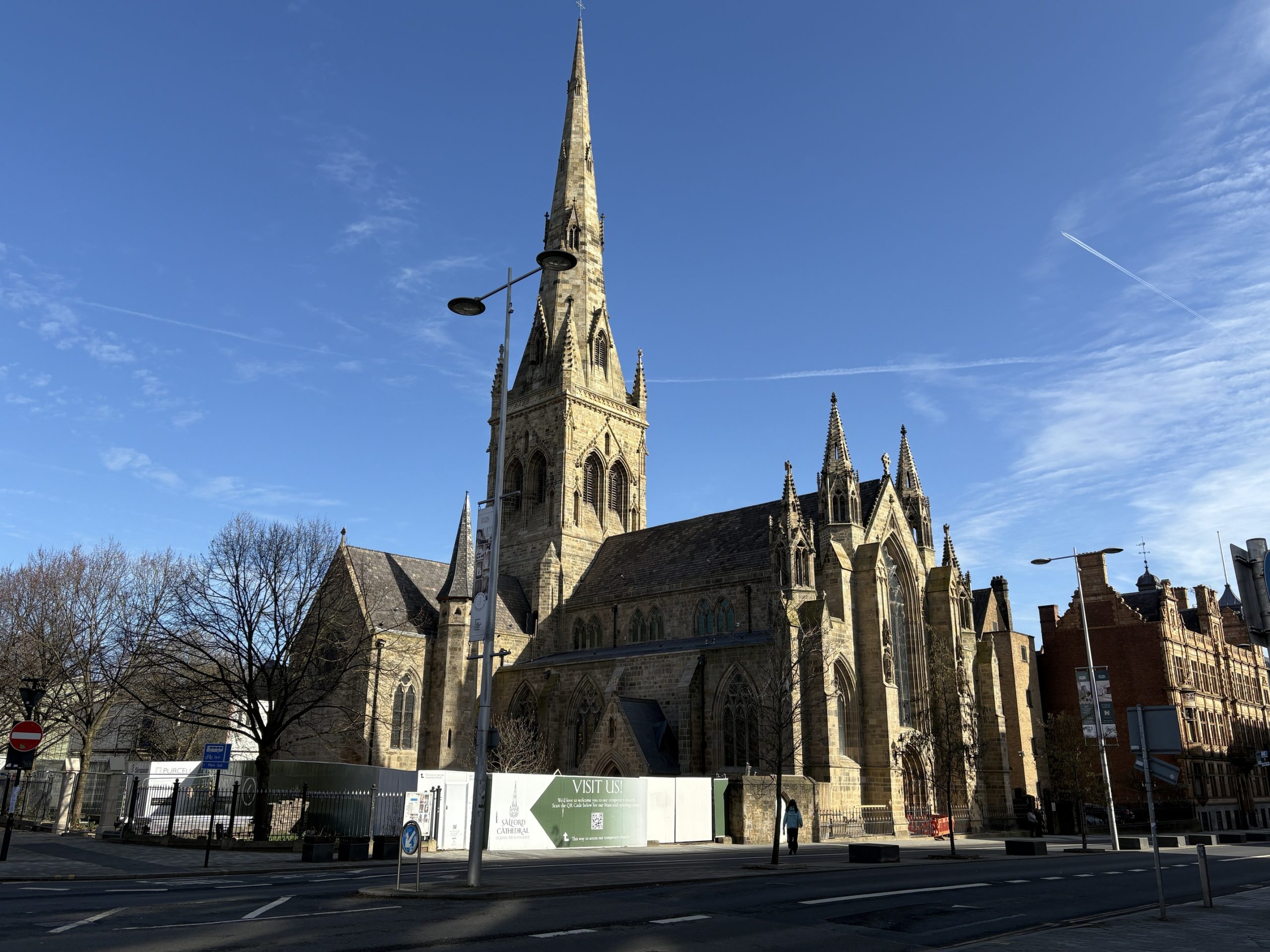
Salford Cathedral, formally the Cathedral Church of St John the Evangelist, was constructed between 1844 and 1848 to designs by the Gothic Revival architect Matthew Ellison Hadfield. Built during a period of renewed Catholic church construction in England, the building was designed on a cruciform plan inspired by medieval English ecclesiastical architecture. Following the restoration of the Catholic hierarchy in 1850, the church became the cathedral of the Diocese of Salford in 1852. Today it remains an important Victorian Gothic landmark serving as the principal Catholic church for Salford and the wider diocese.
Apex Restoration was appointed to undertake specialist masonry repair works to both the interior and exterior of the building. The project was carried out over a period of approximately 12 months and involved a range of conservation-led interventions to address areas of deterioration. Details of the works undertaken are outlined in the accompanying inventory, supported by photographic examples documenting the condition, repair process, and completed works.
Works included, but were not limited to:
- Raking out and lime repointing.
- Masonry super-heated steam cleaning.
- Carved/decorative lime and sandstone replacement.
- Ashlar stone replacement.
- Architectural/functional stone replacement.
- Lime-based surface repairs.
- Structural pinning and bed stitching.
- Specialist paint removal using dry-steam.
Our Gallery
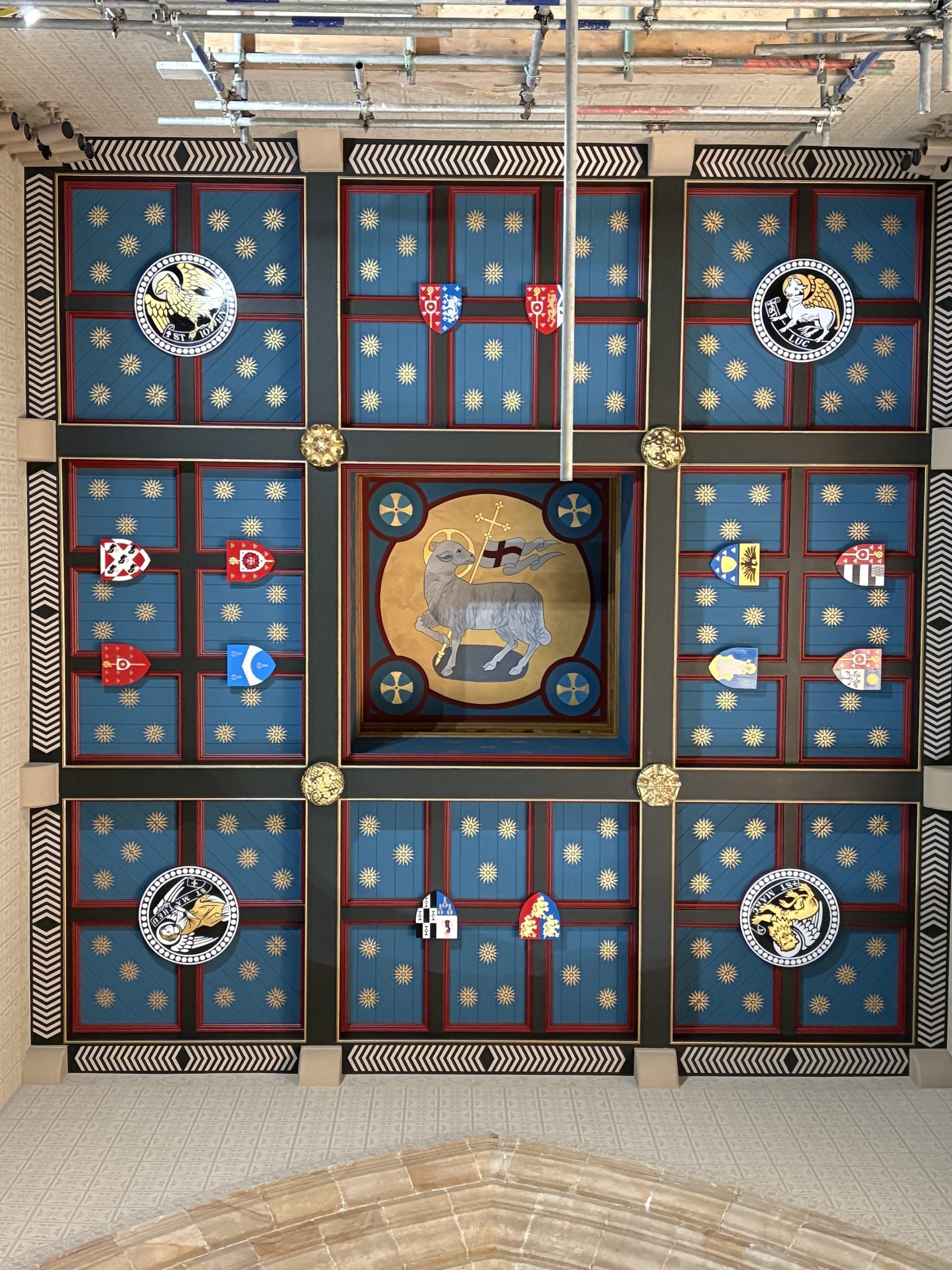
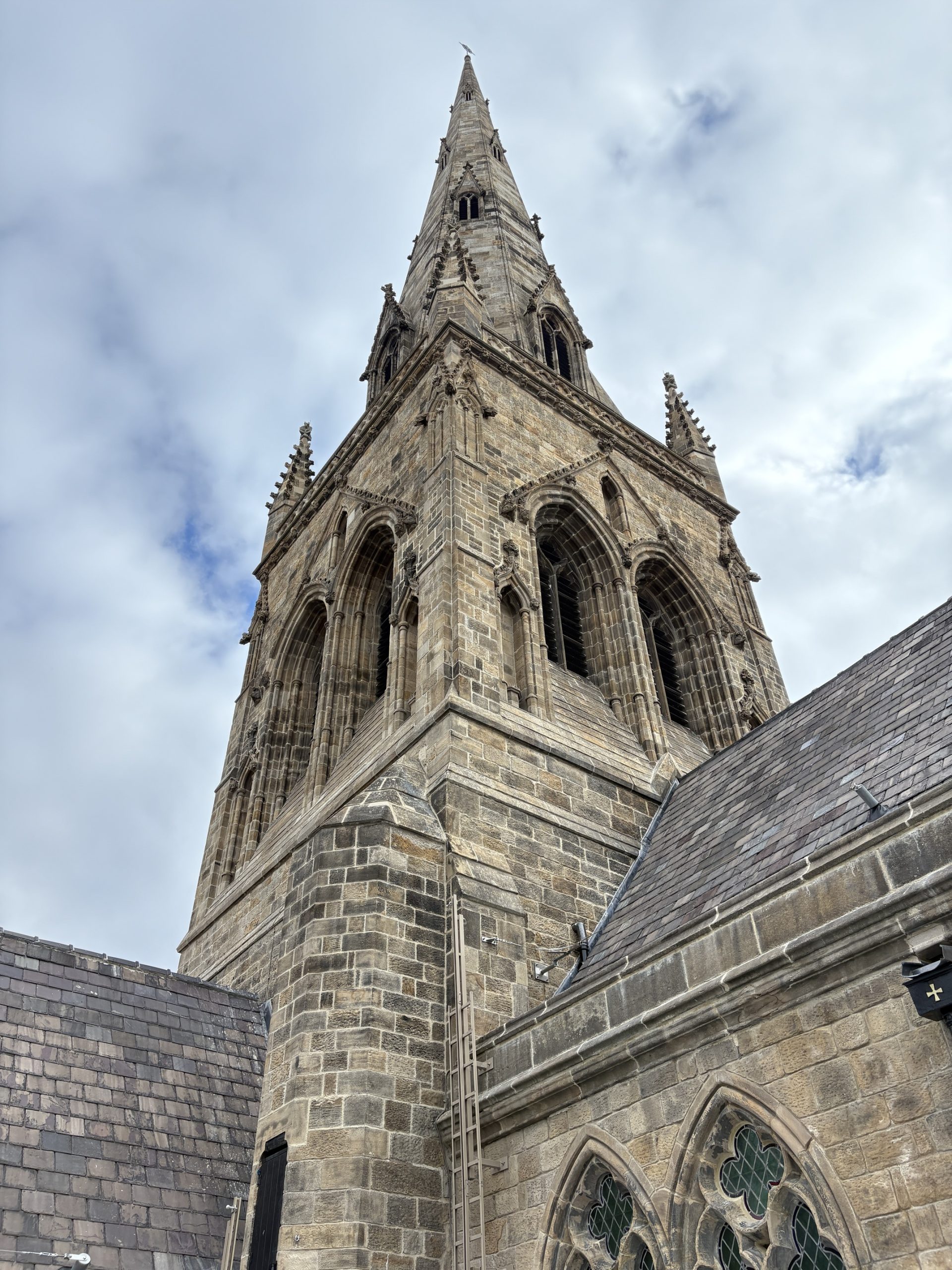
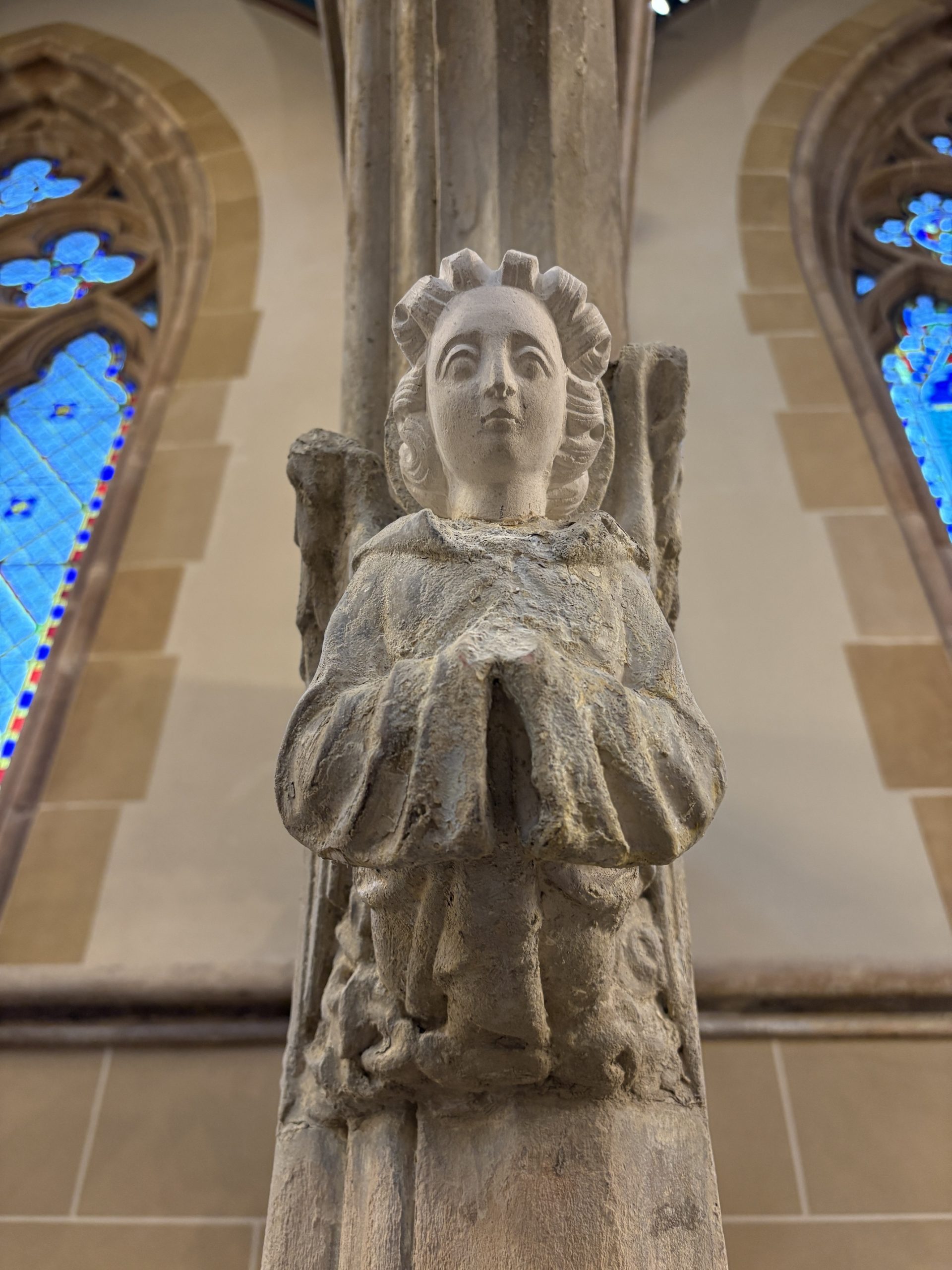
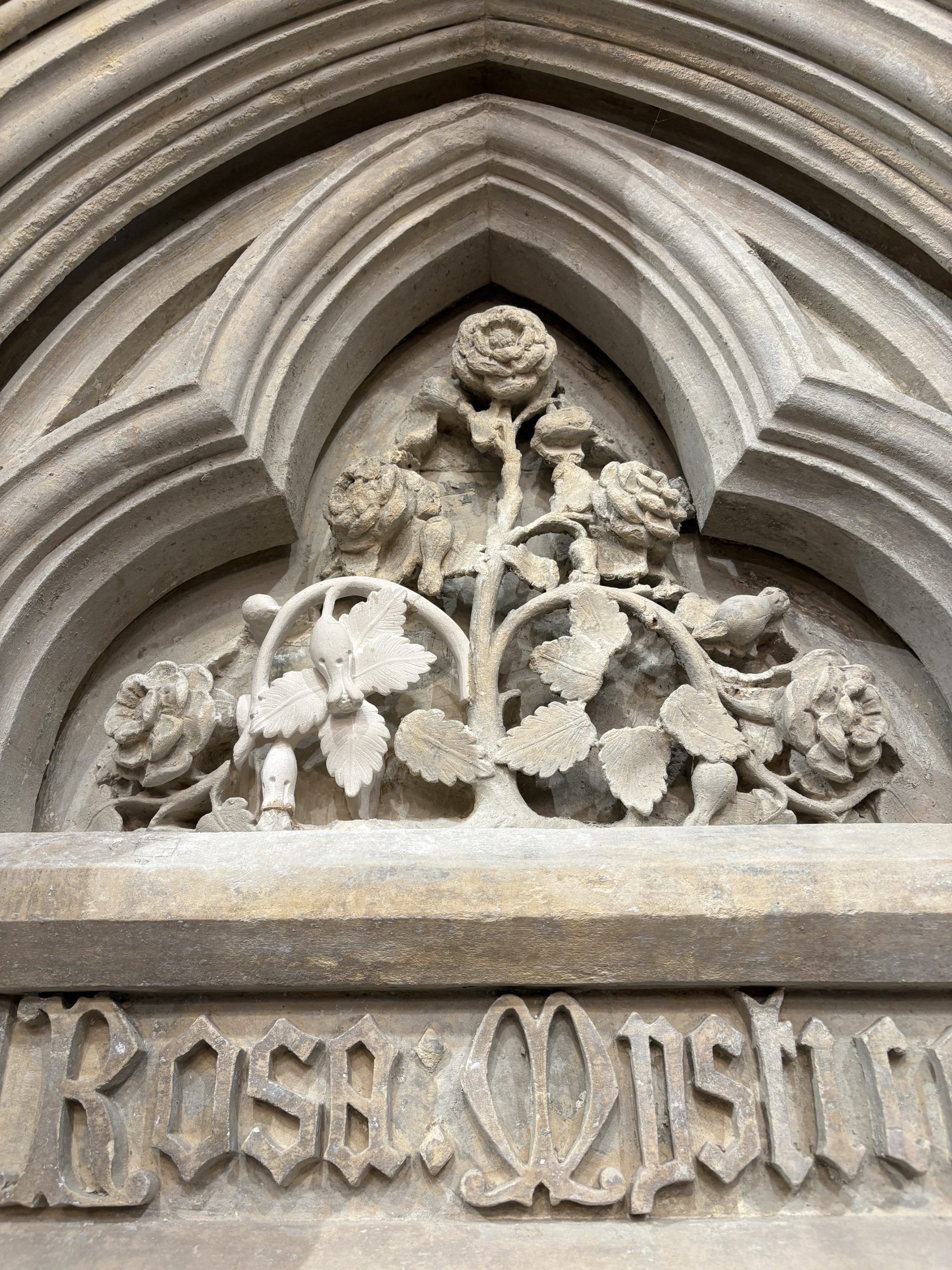

Repointing
The internal and external repointing of the Cathedral was carried out using only hand tools. The existing mortar was raked out to a depth of approximately 40mm and replaced with an original construction correct naturally hydraulic lime mortar mixed with soft sand and washed river sand sourced from a local heritage specialist supplier.
Masonry Super-Heated Steam Cleaning
The external stonework of the Cathedral was thoroughly cleaned using the Thermatech super-heated high-pressure system. Where stubborn surface contaminants or paint were present, these were removed using a variety of poultices and mild chemicals to restore the stonework to its original appearance.
Carved/Decorative Lime and Sandstone Replacement
Apex Restoration sourced, supplied and fixed large quantities of replacement stonework for the Cathedral, both internally and externally, some of which was sourced from France. The stone replacement ranged from simple tooled ashlar wall stones to intricately carved French limestone figurines, finials and onyx alter stone.
Lime-Based Surface Repairs
Where stonework was not required to be replaced, sympathetic lime-based surface repairs were carried out. The original stone was prepared by removing spalling material to a stable substate. A lime-based restoration mortar was then applied in successive layers to reinstate the original lines, forms and textures. The repairs were coloured to match the original stone using iron oxide pigments from Scotland. All repairs were anchored to the substrate using stainless-steel formwork set in chemical resin.
Pinning and Bed Stitching
In areas, bed stitching of the stonework was required along with pinning and securing of original stonework which become loose or displaced. Bed stitching of masonry was carried out using stainless-steel helical bars that extended 500mm beyond the step crack set in a grout. These were then repointed over with lime mortar. Any loose or displaced stonework was reinstated or pinned to the adjacent stonework using stainless-steel threaded rods of varying thickness. The rods were set in a chemical anchor resin and the visible hole restored with coloured lime-based mortar.
Specialist Paint Removal Using Dry Steam
Internal and external paint removal was carried out. The internal decorative French limestone had multiple layers of paint dating back several decades which required removal to reveal the original stone. Due to the delicacy and softness of the ageing limestone, the paint removal was carried out using a paint softening poultice and a dry-steam system. This method is a delicate way to remove paint and poultice with minimal water and agitation.